
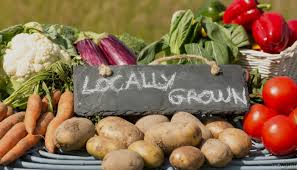
In a world where global trade has made it possible to enjoy a wide variety of foods year-round, the concept of eating seasonally and locally might seem quaint. Yet, this approach to food is far from old-fashioned. Embracing seasonal eating advantages and sourcing your ingredients from local producers offer a wealth of benefits that go beyond just flavor. Let’s dive into why eating seasonally and locally can transform your diet and enhance your well-being.
Seasonal Eating Advantages
Eating seasonally means aligning your diet with the natural growing cycles of fruits and vegetables. This practice offers several compelling benefits that contribute to a healthier and more enjoyable eating experience.
1. Enhanced Flavor and Nutritional Value
One of the most immediate benefits of seasonal eating advantages is the superior taste and nutritional profile of in-season produce. Fruits and vegetables harvested at their peak ripeness are not only more flavorful but also richer in essential nutrients. For instance, a tomato picked in the summer, when it’s fully ripe, will be juicier and more flavorful compared to one that has been shipped from far away and picked green. This peak ripeness also means that the produce retains higher levels of vitamins, minerals, and antioxidants.
2. Reduced Environmental Impact
Consuming foods that are in season helps reduce the environmental footprint associated with food production and transportation. Seasonal foods typically require fewer resources, such as energy and water, for cultivation. Additionally, since they are grown locally, the need for long-distance transportation is minimized. This reduction in transportation helps lower greenhouse gas emissions and supports a more sustainable eating practice.
3. Cost-Effectiveness
Eating seasonally can also be easier on your wallet. When produce is in season, it is generally more abundant, which drives prices down. Seasonal fruits and vegetables are often less expensive compared to out-of-season varieties that need to be imported. This affordability makes it possible to enjoy high-quality, fresh ingredients without breaking the bank.
Local Food Benefits
Sourcing food from local farmers and markets is a practice that aligns perfectly with seasonal eating. The local food benefits extend far beyond just supporting your local economy. They encompass various aspects of health, sustainability, and community.
1. Support for Local Economies
Purchasing food from local farmers and producers contributes directly to the local economy. When you buy from a local farmer’s market or community-supported agriculture (CSA) program, your money stays within the community and helps sustain local jobs and businesses. This support fosters a robust local food system and encourages more small-scale farming and artisanal food production.
2. Fresher, Higher-Quality Produce
Local foods are often fresher because they don’t need to endure long transportation times. As a result, they retain more of their natural flavor and nutritional content. When you buy produce from local sources, you are more likely to enjoy fruits and vegetables that were harvested recently, ensuring that you get the most out of each bite.
3. Stronger Community Connections
Buying locally fosters a sense of community and connection with the food you eat. By visiting local markets and engaging with the farmers and producers, you gain a deeper appreciation for where your food comes from. This direct connection helps build a sense of trust and transparency in the food supply chain, which can enhance your overall dining experience.
Fresh Produce Gains
The term “fresh produce gains” encompasses the myriad benefits of incorporating freshly harvested fruits and vegetables into your diet. When you focus on eating fresh, seasonal, and local produce, several key advantages come into play.
1. Improved Health and Wellness
Freshly harvested produce is often higher in nutrients compared to items that have been stored or transported for extended periods. Vitamins and minerals degrade over time, so consuming produce that is at its freshest means you’re getting the most health benefits. Additionally, many fresh fruits and vegetables contain compounds that support various aspects of health, such as antioxidants that combat oxidative stress and inflammation.
2. Greater Variety and Taste
Seasonal and local produce offers a diverse array of flavors and textures that might not be available in off-season or imported options. This variety not only keeps your diet interesting but also introduces you to new foods and culinary experiences. For example, the vibrant, crisp snap of fresh asparagus in spring or the sweet, juicy burst of summer berries can elevate your meals in ways that out-of-season alternatives simply cannot.
3. Enhanced Culinary Creativity
When you eat seasonally and locally, you become more attuned to the ingredients available at different times of the year. This awareness can inspire culinary creativity, as you experiment with new recipes and cooking techniques based on what’s in season. Embracing this approach can lead to exciting new dishes and a greater appreciation for the natural rhythms of food production.
Sustainable Eating Practices
Integrating sustainable eating practices into your daily life involves making choices that benefit both the environment and your health. Eating seasonally and locally is a cornerstone of this approach, but there are additional strategies to consider.
1. Minimizing Food Waste
Sustainable eating practices also include minimizing food waste. By planning meals around seasonal produce and using ingredients efficiently, you can reduce the amount of food that goes to waste. Composting kitchen scraps and leftovers further supports a circular food system and enriches the soil for future growing seasons.
2. Choosing Organic and Regenerative Farming
Supporting organic and regenerative farming practices can enhance sustainability. Organic farming avoids synthetic pesticides and fertilizers, while regenerative agriculture focuses on improving soil health and biodiversity. Both practices contribute to a more resilient and environmentally friendly food system.
3. Educating Yourself and Others
Staying informed about the benefits of seasonal and local eating can help spread awareness and inspire others to adopt similar practices. Sharing recipes, shopping tips, and the advantages of supporting local food systems can foster a community-wide commitment to healthier and more sustainable eating.
Conclusion
Embracing the benefits of eating seasonally and locally offers numerous rewards, from improved flavor and nutritional value to environmental sustainability and community support. By focusing on seasonal eating advantages, enjoying local food benefits, and maximizing fresh produce gains, you can cultivate a more gratifying and responsible approach to your diet. Incorporating sustainable eating practices into your routine not only enhances your well-being but also contributes to a healthier planet. So next time you plan your meals, consider the seasons and local markets, and savor the many advantages that come with eating in harmony with nature.